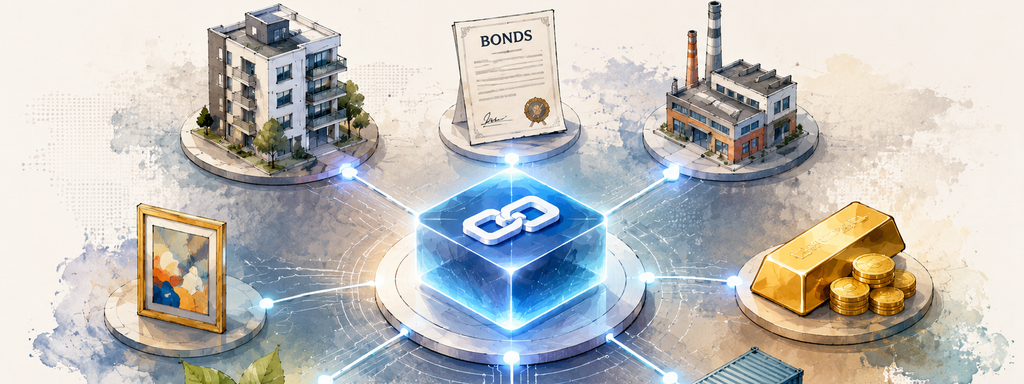

For years, blockchain technology has been associated primarily with cryptocurrencies, decentralized finance (DeFi), and digital collectibles. While these innovations have demonstrated the potential of decentralized systems, a new trend is attracting increasing attention from both the crypto industry and traditional finance: Real-World Assets (RWAs).
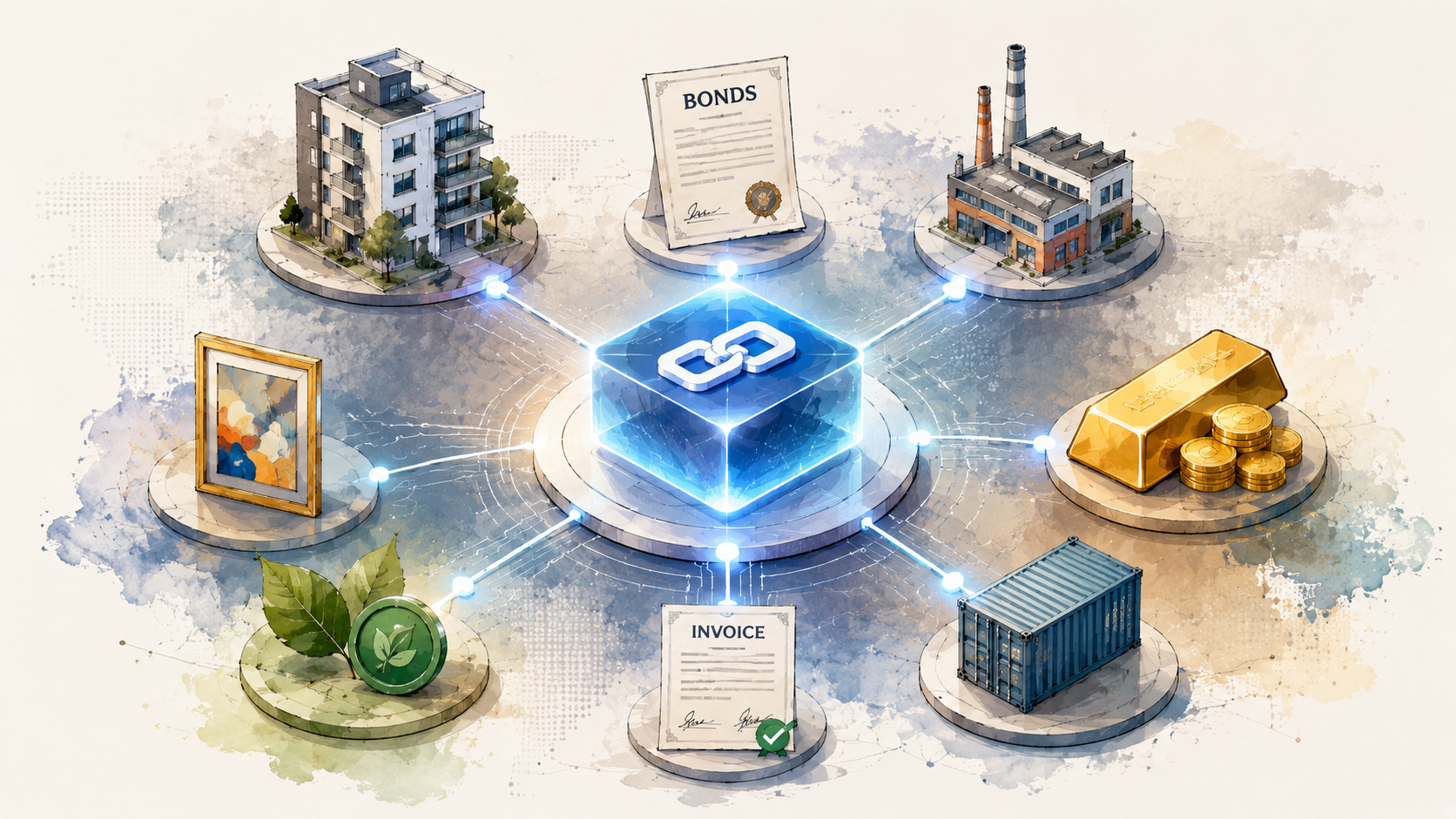
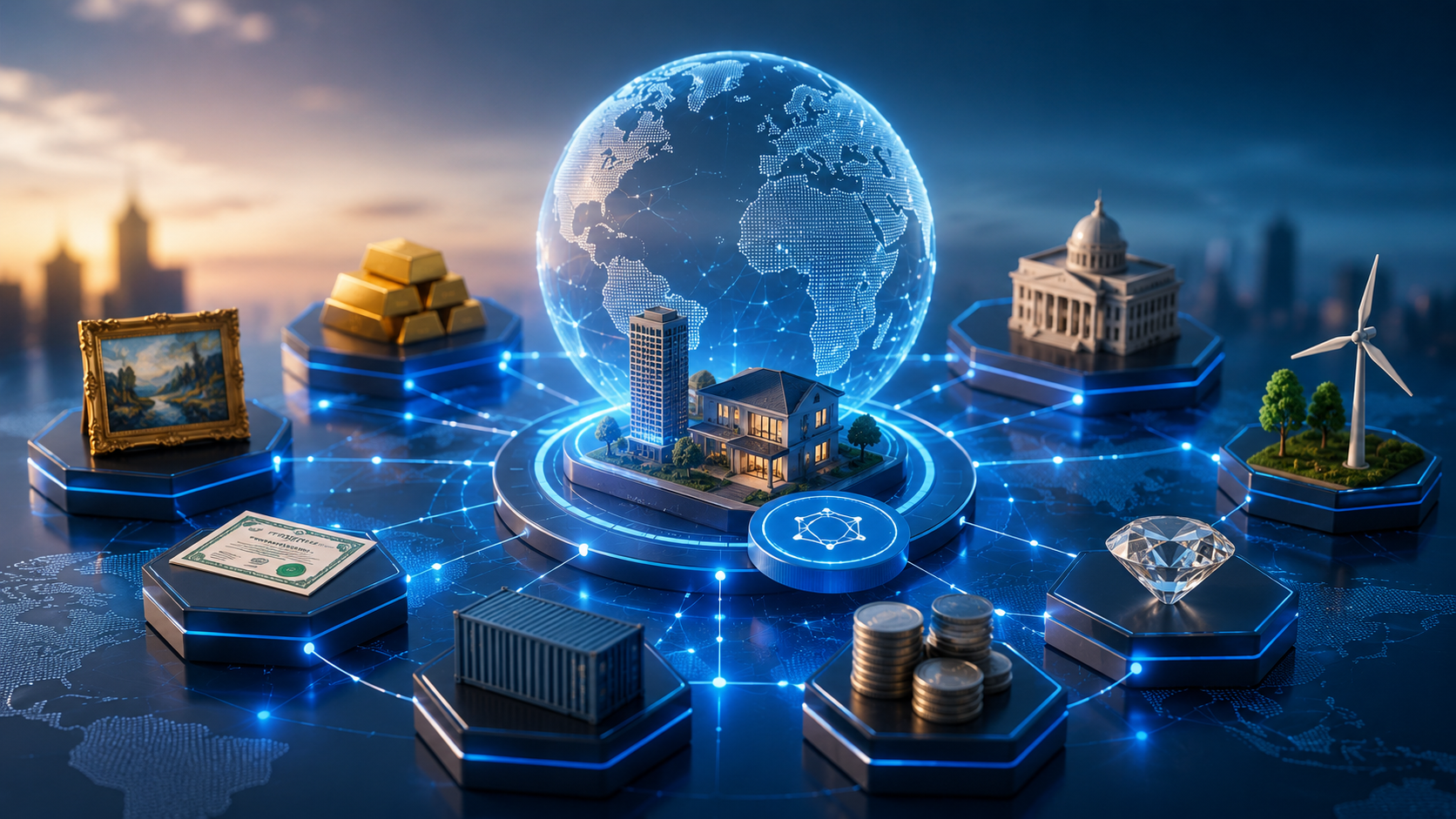
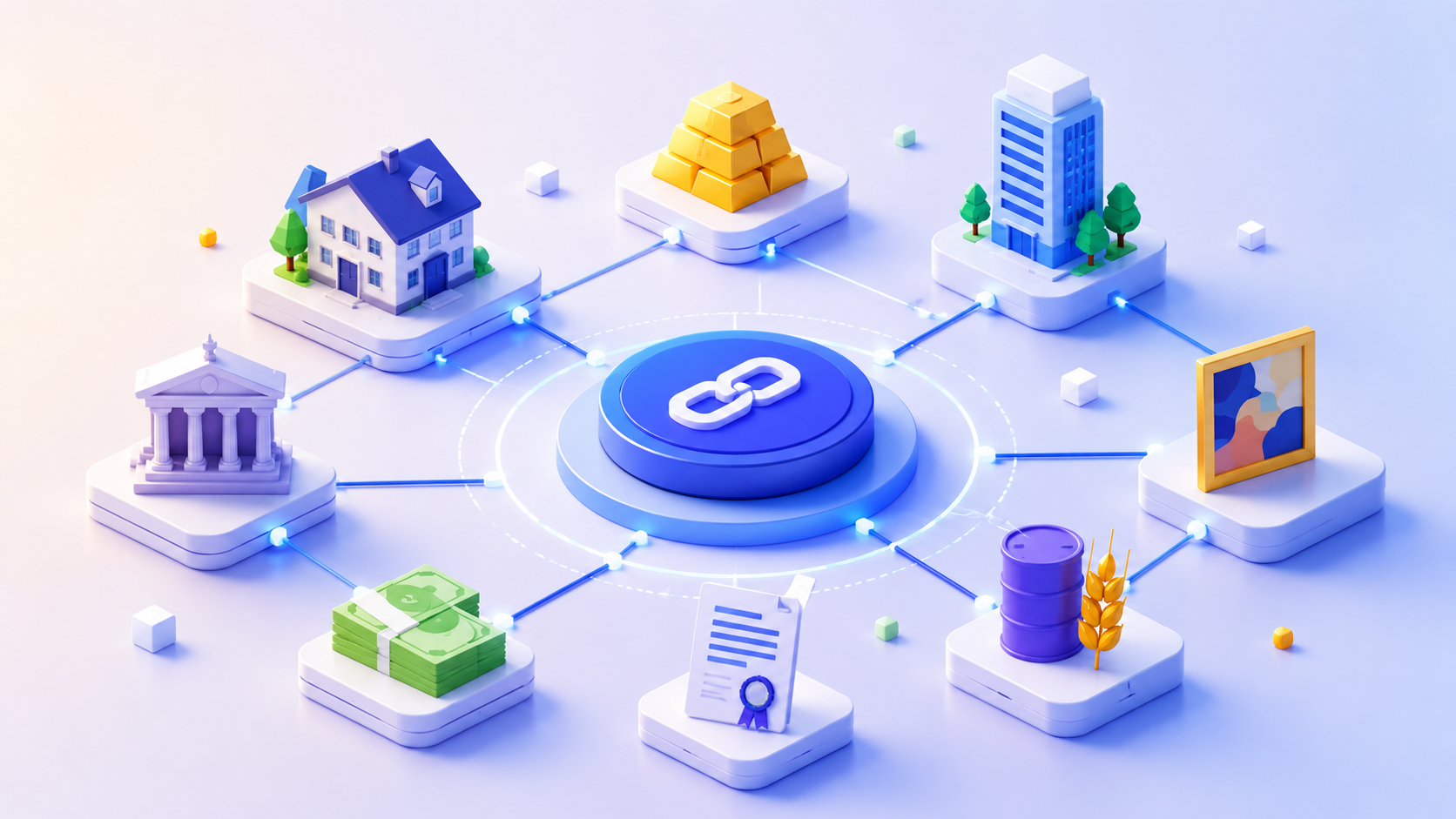
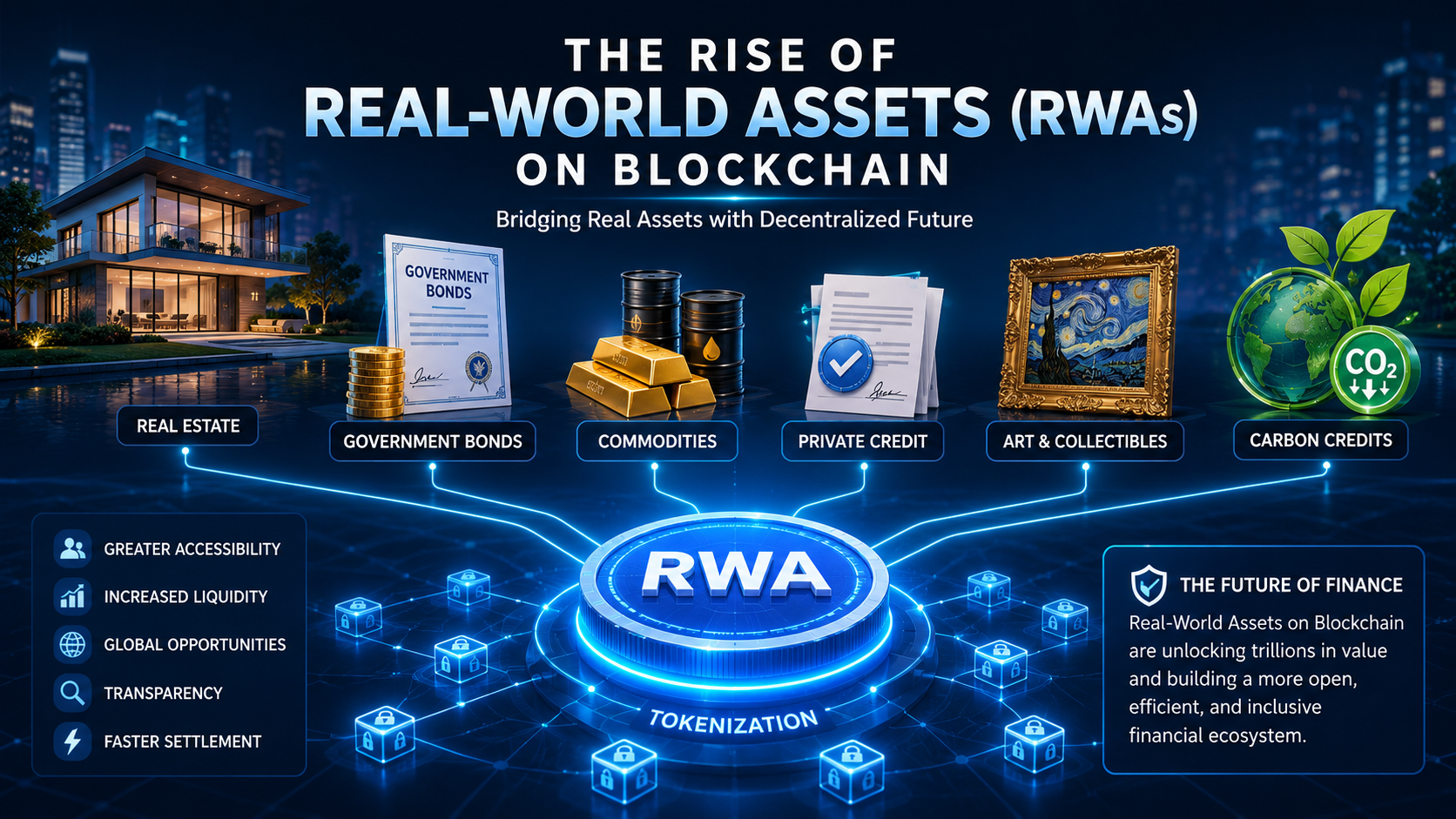
Real-world asset tokenization bridges the gap between physical and digital markets by representing tangible or legally recognized assets as blockchain-based tokens. From real estate and government bonds to commodities, invoices, and private credit, RWAs have the potential to bring trillions of dollars' worth of assets onto blockchain networks. This shift could fundamentally change how assets are owned, traded, and managed around the world.
What Are Real-World Assets?
Real-world assets are physical or traditional financial assets that exist outside the blockchain. These assets can include:
- Real estate
- Government bonds
- Corporate bonds
- Stocks
- Precious metals
- Commodities
- Art and collectibles
- Luxury goods
- Private credit
- Trade finance
- Carbon credits
- Infrastructure investments
Through tokenization, ownership or economic rights related to these assets are represented by digital tokens recorded on a blockchain. Each token may represent an entire asset, a fraction of an asset, or specific rights such as future income or revenue sharing.
Understanding Tokenization
Tokenization is the process of converting ownership rights into blockchain-based digital tokens.
Rather than relying solely on traditional paper records, centralized databases, or manual processes, ownership information is stored on a distributed ledger. Smart contracts can automate transfers, dividend payments, compliance checks, and other administrative tasks.
For example, instead of purchasing an entire apartment building, investors may purchase small fractions of the property through tokens, allowing much lower investment thresholds.
The underlying physical asset remains in the real world, while the blockchain records ownership and facilitates transactions.
Why RWAs Are Becoming Popular
Several trends are driving the rapid growth of tokenized real-world assets.
Greater Accessibility
Many traditional investments require significant capital. Commercial real estate, private equity, and infrastructure projects often have high minimum investment amounts.
Tokenization allows assets to be divided into thousands or even millions of smaller units, making investments accessible to a much broader audience.
This fractional ownership lowers barriers to entry and creates opportunities for retail investors who previously had limited access.
Increased Liquidity
Many real-world assets are relatively illiquid.
Selling a building, artwork, or private investment fund can take weeks or months.
Blockchain-based tokens can potentially be traded much more efficiently on digital marketplaces, creating greater liquidity for asset owners while giving investors more flexibility.
Although regulations still apply, the transfer process itself becomes significantly faster.
Global Investment Opportunities
Traditional investing often involves geographical limitations, banking restrictions, legal hurdles, and expensive intermediaries.
Blockchain networks operate globally, enabling qualified investors from many jurisdictions to participate in tokenized markets more easily, subject to local regulations.
This global accessibility expands both the investor base and potential sources of capital.
Improved Transparency
Public blockchains provide transparent transaction histories that anyone can verify.
Investors can often view ownership records, transaction histories, and smart contract activity directly on-chain.
This transparency helps reduce uncertainty while improving auditability.
Faster Settlement
Traditional securities markets may require several business days to complete settlement.
Blockchain transactions can often settle within minutes or even seconds, depending on the network being used.
Faster settlement reduces operational costs and counterparty risk.
Types of Real-World Assets Being Tokenized
Real Estate
Real estate has become one of the largest areas of RWA development.
Property owners can tokenize residential buildings, commercial offices, hotels, warehouses, or land.
Investors purchase tokens representing fractional ownership, allowing them to participate in rental income or appreciation without buying an entire property.
Government Bonds
Tokenized government securities have gained significant momentum.
Short-term treasury products can generate yield while benefiting from blockchain settlement and easier integration with decentralized financial applications.
This category has become one of the fastest-growing segments of the RWA market.
Private Credit
Private lending traditionally involves limited investor access and complex administration.
Blockchain platforms can tokenize loan portfolios, allowing investors to participate in financing businesses while receiving interest payments through automated smart contracts.
Commodities
Gold, silver, oil, agricultural products, and other commodities can also be represented digitally.
Some tokenized commodities are fully backed by physical reserves stored in secure vaults.
Investors gain exposure without needing to physically store or transport the underlying asset.
Carbon Credits
Environmental markets are increasingly exploring blockchain technology.
Tokenized carbon credits can improve transparency, reduce double counting, and simplify trading while supporting climate initiatives.
The Role of Smart Contracts
Smart contracts automate many administrative processes that traditionally require intermediaries.
They can automatically:
- Distribute interest payments
- Pay rental income
- Process dividends
- Handle ownership transfers
- Enforce compliance rules
- Verify investor eligibility
- Execute redemptions
- Record asset events
Automation reduces manual work while lowering operational costs and minimizing human error.
Benefits for Traditional Finance
Traditional financial institutions are increasingly exploring blockchain because tokenization offers several operational advantages.
These include:
- Lower settlement costs
- Reduced paperwork
- Faster processing
- Improved transparency
- Enhanced record keeping
- More efficient compliance
- Easier auditing
- Expanded investment opportunities
Rather than replacing traditional finance entirely, blockchain often serves as an additional infrastructure layer that improves existing systems.
Challenges Facing RWAs
Despite strong momentum, several challenges remain.
Regulation
Real-world assets are heavily regulated.
Different countries apply different securities laws, licensing requirements, tax rules, and investor protections.
Projects must comply with applicable legal frameworks before offering tokenized assets.
Custody
The blockchain token represents ownership rights, but the underlying physical asset still requires proper custody and legal management.
Reliable custodians, trustees, and legal structures remain essential.
Asset Verification
Investors must trust that the physical asset actually exists and matches the information represented on-chain.
Independent audits and transparent reporting help establish confidence.
Legal Recognition
Many jurisdictions are still developing legal frameworks that recognize blockchain-based ownership records.
The relationship between digital tokens and legally enforceable ownership continues to evolve.
Technical Security
As with all blockchain applications, smart contracts must be carefully audited.
Security vulnerabilities could expose investors to unnecessary risk if systems are poorly designed.
The Connection Between RWAs and DeFi
One of the most exciting developments is the integration of real-world assets into decentralized finance.
Instead of relying solely on cryptocurrency collateral, DeFi platforms can potentially use tokenized treasury bills, real estate, or private credit as collateral.
This introduces assets with more predictable value and real economic backing into decentralized financial ecosystems.
The combination may help reduce volatility while expanding the range of financial products available on-chain.
Institutional Adoption
Large financial institutions have begun exploring or launching tokenization initiatives.
Banks, asset managers, investment firms, and financial infrastructure providers recognize that blockchain can improve operational efficiency while opening new markets.
Institutional participation increases credibility and encourages the development of regulatory standards, custody solutions, and professional infrastructure.
As adoption grows, tokenized assets may become a standard component of global financial markets.
The Future of Tokenized Assets
Many analysts believe tokenization represents one of blockchain's largest long-term opportunities.
As regulations mature and technology improves, more asset classes are likely to move onto blockchain networks.
Future developments may include:
- Tokenized stocks with faster settlement
- Digital bond markets
- Tokenized infrastructure investments
- Fractional ownership of high-value assets
- Global real estate marketplaces
- Integrated blockchain-based financial systems
- Automated compliance and reporting
- Cross-border investment with fewer intermediaries
While widespread adoption will take time, the direction of travel is becoming increasingly clear.
Conclusion
Real-world assets represent one of the most significant evolutions in blockchain technology. By connecting physical assets with decentralized infrastructure, tokenization has the potential to make investing more accessible, transparent, and efficient.
Although regulatory, legal, and technical challenges still exist, progress continues across governments, financial institutions, and blockchain projects alike. As more assets become tokenized and supporting infrastructure matures, RWAs could play a central role in the next generation of global finance.
Rather than existing separately, traditional finance and blockchain are increasingly converging. Real-world assets may ultimately become the bridge that brings decentralized technology into mainstream financial markets.
Pick your reaction
Post your comment