DeFi
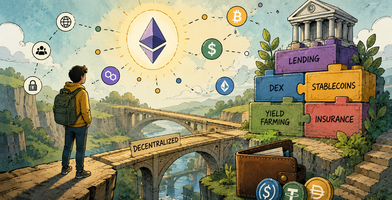
Decentralized Finance, better known as DeFi, is a rapidly growing sector of the cryptocurrency industry focused on creating financial services without relying on traditional banks or centralized institutions. Instead of using intermediaries, DeFi platforms operate through smart contracts - self-executing programs running on blockchain networks such as Ethereum. This allows users to trade cryptocurrencies, lend and borrow assets, earn interest, and access financial tools directly from their crypto wallets.
One of the main goals of DeFi is to make financial services more open, transparent, and accessible to anyone with an internet connection. Unlike traditional banking systems, DeFi applications are often available worldwide 24/7 and do not usually require approval from a central authority. Popular areas within DeFi include decentralized exchanges (DEXs), lending platforms, stablecoins, staking, and yield farming.
Although DeFi offers exciting opportunities and innovation, it also comes with risks such as smart contract vulnerabilities, market volatility, and scams. Even so, DeFi continues to play a major role in shaping the future of digital finance and blockchain technology.
| DeFi | Decentralized finance |
|---|---|
| Blockchain | Shared digital ledger |
| Smart Contracts | Automated blockchain code |
| Ethereum | Popular DeFi network |
| DEX | Decentralized exchange |
| Stablecoins | Low-volatility crypto |
| Lending | Earn interest on crypto |
| Borrowing | Loans using collateral |
| Staking | Lock tokens for rewards |
| Yield Farming | Earn rewards with liquidity |
Communities tagged DeFi
59
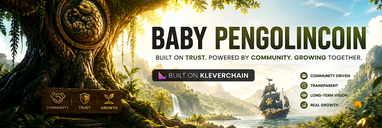
Built on trust, transparency and community — now growing on KleverChain.
BPGOK · KleverChain
Legacy token: BPGO · BNB Smart Chain
Baby PengolinCoin is a long-running, community-driven cryptocurrency project led by CryptoVin. Originally launched as BPGO on BNB Smart Chain, the project is now primarily developing BPGOK on KleverChain through staking, liquidity pools, burns, ecosystem partnerships and community rewards.
The community is suitable for people who prefer small, independently developed crypto projects with publicly visible leadership and a long-term presence rather than anonymous, short-lived token launches.

WHATIF Rewards: The Ecosystem Overview
WHATIF Rewards is a fully interconnected, solo-developed Web3 universe on the WAX blockchain. Operating as the "People's Exchange," we bypass extractive venture capital to ensure that ecosystem control, liquidity, and token distributions remain directly in the hands of our players.
Our closed-loop economy is built on four core pillars:
- WHATIFX: A powerful decentralized exchange (DEX) aggregator pulling live telemetry to guarantee the absolute best swap rates.
- WHATIF Dungeon for Riches: Our newly evolved on-chain dungeon crawler where players stake NFTs, equip tactical gear, and dominate leaderboards to win massive weekly crypto jackpots.
- WAX Station 21: A sci-fi tactical automation base for passive WAX yield generation.
- PUZZL Quest: A gamified NFT staking and blending protocol that actively supports Autism Awareness.
Trade, play, battle, and earn in the ultimate self-funded Web3 ecosystem.
Blog posts tagged DeFi


BlockMap
Oct. 1, 2026
The Different Types of Crypto Communities Explained
Crypto communities come in many different forms. Some are built around a specific blockchain, others focus on trading, development, NFTs, gaming, education, governance, or simply bringing people with similar interests together.

BlockMap
Aug. 28, 2026
How Decentralized Exchanges (DEXs) Changed Crypto Trading
Decentralized exchanges have transformed the way people trade cryptocurrencies. Instead of relying entirely on centralized companies to hold funds, manage order books, and process transactions, DEXs allow users to trade directly through blockchain-based protocols.

BlockMap
Aug. 7, 2026
Risk Management for Crypto Beginners
Cryptocurrency offers exciting opportunities, but it also comes with significant risk. Prices can move quickly, projects can fail, exchanges can run into trouble, and simple mistakes can result in permanent losses. For anyone entering the crypto market, understanding how to manage these risks is just as important as understanding which assets to buy.