

The crypto market faced a turbulent week as a massive Binance security breach shook investor confidence, Bitcoin fell below $77,000, and the Federal Reserve kept interest rates unchanged.
October 26 - November 1, 2026
Binance Suffers Record $6.3 Billion Security Breach
The week's biggest story was a major attack on Binance, with approximately $6.3 billion in cryptocurrencies stolen from exchange wallets across multiple blockchains.
Binance pledged to cover the losses using company funds and reported that around $3 billion in stolen assets had been frozen. Blockchain investigators linked the attack to North Korean hackers, while investigations identified compromised internal systems and exploited Ethereum wallet permissions as possible attack methods.
The incident renewed concerns about centralized exchange security and the protection of customer assets.
Bitcoin Falls Below $77,000 as Liquidations Surge
Bitcoin experienced significant volatility, dropping toward $76,400 following the Binance breach and broader financial market weakness.
According to CoinGlass data reported by CoinDesk, approximately $1.5 billion in leveraged crypto positions were liquidated within 24 hours, with bullish positions accounting for most of the losses.
The selloff also affected Ethereum, XRP, and other major cryptocurrencies, demonstrating how security incidents can quickly influence the wider market.
Federal Reserve Keeps Interest Rates Unchanged
On October 28, the U.S. Federal Reserve maintained its benchmark interest rate at 3.75%–4.00%, citing continued inflation concerns.
Bitcoin initially reacted modestly to the decision, but uncertainty surrounding future monetary policy remained a concern for investors.
Higher interest rates can reduce demand for riskier assets, including cryptocurrencies, making future Federal Reserve decisions an important factor for market sentiment.
Polygon and Solana Expand Stablecoin Payment Infrastructure
Polygon Labs and the Solana ecosystem announced a partnership to connect Solana-based stablecoin activity with Polygon's payment infrastructure.
The integration aims to help businesses access banking connections, digital wallets, cross-chain transfers, and payment services through a unified system.
The collaboration highlights growing efforts to make stablecoins more practical for everyday payments and financial services.
Ripple Secures U.S. Banking Approval and Expands RLUSD
Ripple received final approval from the U.S. Office of the Comptroller of the Currency to launch Ripple National Trust Bank, supporting regulated digital asset custody and management of RLUSD reserves.
The company's RLUSD stablecoin also received investment-grade ratings from Moody's and expanded its availability through Coinbase.
These developments represent further progress toward integrating blockchain-based financial services into traditional banking.
Traditional Finance Advances Blockchain Tokenization
The Depository Trust & Clearing Corporation (DTCC) launched a tokenization service supporting blockchain-based representations of traditional securities, with major financial institutions participating.
Separately, Janus Henderson and Centrifuge introduced a Nasdaq-100-linked investment fund on the Stellar blockchain.
Both developments demonstrate growing institutional interest in using blockchain infrastructure for securities trading, settlement, and investment products.
Looking Ahead
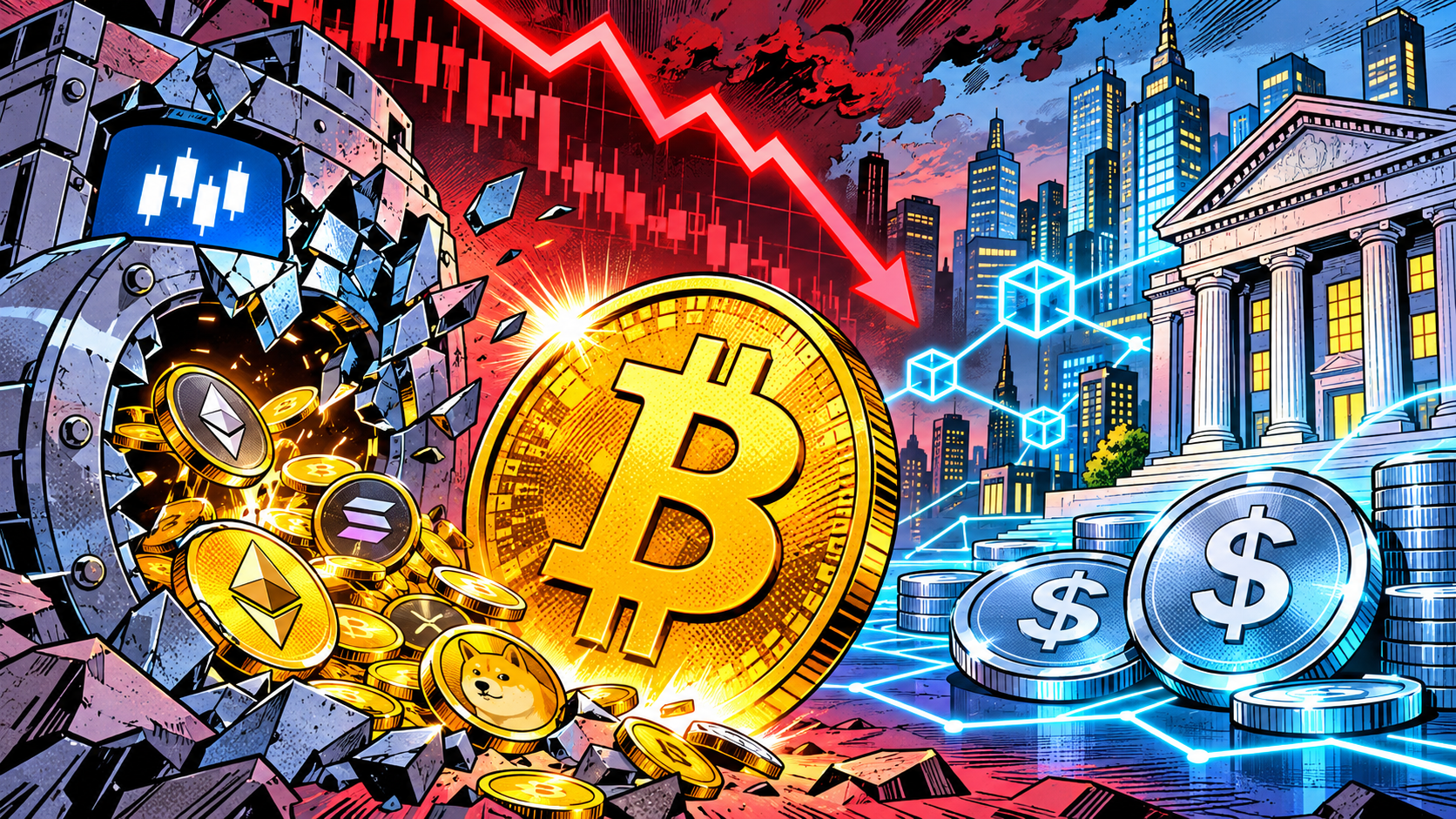
The week highlighted two contrasting trends: major security incidents continue to challenge confidence in cryptocurrency platforms, while banks and financial institutions are expanding their involvement in blockchain technology.
Investors will be watching Binance's recovery efforts, Bitcoin's price stability, and further developments in stablecoin regulation and institutional adoption.
Disclaimer: This article is for informational purposes only and does not constitute financial advice. Always conduct your own research before making cryptocurrency-related decisions.
Pick your reaction
Post your comment