NFTs
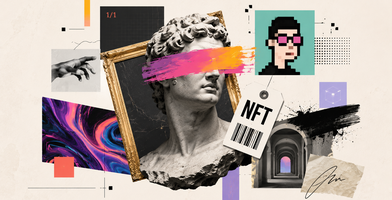
NFTs, short for Non-Fungible Tokens, are unique digital assets stored on a blockchain. Unlike cryptocurrencies such as Bitcoin or Ethereum, which are interchangeable and have equal value, each NFT is one of a kind and cannot be replaced by an identical item. NFTs are commonly used to represent ownership of digital art, collectibles, music, gaming items, videos, and even virtual land.
The technology behind NFTs allows ownership and transaction history to be publicly verified through blockchain networks, making digital ownership more transparent and secure. This has opened new opportunities for artists, creators, and online communities by allowing them to sell and trade digital content directly without relying on traditional intermediaries.
NFTs became especially popular during the rise of digital art marketplaces and blockchain-based games, but their potential goes far beyond collectibles. Many developers see NFTs as an important part of the future of the internet, gaming, digital identity, and online memberships.
| NFT | A unique digital asset stored on a blockchain |
|---|---|
| Non-Fungible | Means the item is unique and cannot be replaced equally |
| Blockchain | Public digital ledger used to track ownership |
| Digital Art | One of the most popular uses of NFTs |
| Ownership | NFTs can prove who owns a digital item |
| Collectibles | NFTs are often used for trading cards and profile pictures |
| Gaming | Some games use NFTs for characters, skins, and items |
| Wallet | NFTs are stored in crypto wallets |
| Smart Contracts | NFTs use blockchain programs to manage ownership and transfers |
| Royalties | Some NFTs allow creators to earn money from future sales |
Blog posts tagged NFTs
BlockMap
Sept. 17, 2026
Dynamic NFTs Explained: How NFTs Can Change Over Time
Most NFTs are known for representing something fixed: an image, collectible, membership token, or other digital asset whose defining characteristics remain largely unchanged after it is created. Dynamic NFTs take a different approach. They can evolve as circumstances change, allowing their appearance, metadata, attributes, or functionality to respond to new information.

BlockMap
Sept. 11, 2026
NFT Royalties Explained: How Creators Earn From Secondary Sales
NFTs introduced a new way for digital creators to sell their work directly to collectors. But one of their most talked-about features goes beyond the initial sale: NFT royalties.
BlockMap
Aug. 30, 2026
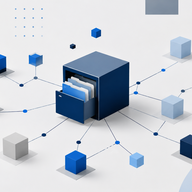
Understanding Decentralized Storage: How Blockchain Networks Are Rethinking Data
The internet depends on enormous amounts of stored data. Photos, websites, documents, application files, videos, and blockchain-related information all need somewhere to live. Traditionally, most of that data has been stored on servers controlled by companies, cloud providers, or other centralized organizations.