
BlockMap
June 25, 2026
The Rise of Real-World Assets (RWAs) on Blockchain
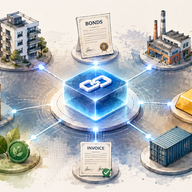
For years, blockchain technology has been associated primarily with cryptocurrencies, decentralized finance (DeFi), and digital collectibles. While these innovations have demonstrated the potential of decentralized systems, a new trend is attracting increasing attention from both the crypto industry and traditional finance: Real-World Assets (RWAs).

BlockMap
June 24, 2026
Why Crypto Education Is More Important Than Ever
Cryptocurrency has grown from a niche technology into a global industry that attracts millions of users, investors, developers, businesses, and communities. Every day, new people enter the crypto space looking to invest, participate in online communities, explore decentralized applications, or learn about blockchain technology.

BlockMap
June 23, 2026
The History of Online Crypto Communities
Cryptocurrency is often associated with blockchain technology, digital assets, and decentralized finance, but behind every successful crypto project is a community. Long before cryptocurrencies became mainstream, online communities played a critical role in discussing ideas, sharing knowledge, solving problems, and driving adoption.

BlockMap
June 22, 2026
How to Stay Safe in Crypto Discord Servers
Discord has become one of the most important communication platforms in the cryptocurrency world. Thousands of blockchain projects, NFT communities, DeFi protocols, gaming ecosystems, and trading groups use Discord to connect with their members. These servers offer valuable opportunities to learn, discuss developments, participate in governance, attend events, and engage directly with project teams.

BlockMap
June 21, 2026
How Blockchain Communities Organize Online Events
Blockchain communities are among the most active and globally connected groups on the internet. Because members are often spread across different countries and time zones, online events play a crucial role in keeping communities engaged, informed, and connected.

BlockMap
June 20, 2026
How Community Sentiment Influences Cryptocurrency Prices
Cryptocurrency markets are unlike traditional financial markets in many ways. While fundamentals such as technology, adoption, tokenomics, and development activity remain important, community sentiment often plays an equally significant role in determining price movements. In a market that operates 24/7 and is heavily driven by online discussions, public perception can rapidly influence buying and selling behavior.


blockmapio
June 19, 2026
Why Community Matters More Than Technology in Crypto
When people first discover cryptocurrency, they often focus on technology. They compare transaction speeds, consensus mechanisms, smart contract capabilities, and scalability solutions. While these technical aspects are important, history has shown that technology alone is rarely enough to guarantee success. In many cases, the strength of a project's community plays a larger role in its long-term growth and survival…

BlockMap
June 18, 2026
The Psychology of Crypto Investing
Cryptocurrency investing is often described as a technological or financial activity, but psychology plays an equally important role in shaping investor behavior. While blockchain technology, tokenomics, and market fundamentals matter, emotions frequently drive short-term market movements and individual investment decisions. Fear, greed, excitement, uncertainty, and social influence can all affect how people buy, se…

BlockMap
June 17, 2026
The Future of Blockchain Gaming
Blockchain gaming has emerged as one of the most exciting intersections between gaming, digital ownership, and decentralized technology. While early blockchain games often focused heavily on token rewards and speculative assets, the industry is rapidly evolving toward experiences that prioritize gameplay, accessibility, and sustainable economies.

BlockMap
June 16, 2026
How Cross-Chain Bridges Connect the Blockchain Ecosystem
Blockchain technology has evolved far beyond the early days when each network operated largely in isolation. Today, hundreds of blockchains exist, each offering unique features, communities, applications, and digital assets. While this diversity has encouraged innovation, it has also created fragmentation. Assets and data stored on one blockchain are often unable to move directly to another without additional infras…