BlockMap
Aug. 26, 2026
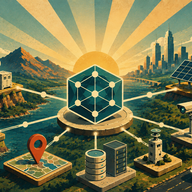
What Is DePIN? How Blockchain Is Powering Real-World Infrastructure
Blockchain technology is usually associated with digital assets, decentralized finance, NFTs, and online applications. DePIN takes the idea of decentralization beyond the digital world by connecting blockchain networks with physical infrastructure.
BlockMap
Aug. 25, 2026
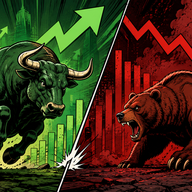
Bull Markets vs Bear Markets: Understanding Crypto Market Cycles
Crypto markets rarely move in one direction for long. Prices rise, optimism grows, momentum eventually fades, and periods of falling prices and uncertainty follow. These broad phases are commonly known as bull markets and bear markets.

BlockMap
Aug. 24, 2026
Understanding Transaction Mempools: Where Crypto Transactions Wait Their Turn
When you send cryptocurrency, the transaction usually does not appear in a confirmed block immediately. Between clicking “send” and seeing a confirmation, there is often an important intermediate stage: the transaction mempool.

BlockMap
Aug. 23, 2026
What Are Soulbound Tokens? Understanding Non-Transferable Digital Assets
Most crypto tokens are designed to move. They can be bought, sold, traded, transferred between wallets, or sent to another person. Soulbound Tokens take a very different approach.

aaronalu.eth
Aug. 21, 2026
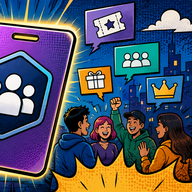
VMax Cats Guide: NFT Membership Passes
Moving away from speculation to reward our core tribe. How VMax Cats Uses WAX NFTs to Reward Early Supporters and Core OGs
BlockMap
Aug. 21, 2026
NFT Membership Passes Explained
NFTs are often associated with digital art and collectibles, but the same technology can also be used for something much more practical: membership. An NFT membership pass is a blockchain-based token that proves its holder has access to a particular community, service, event, platform, or set of benefits.

BlockMap
Aug. 20, 2026
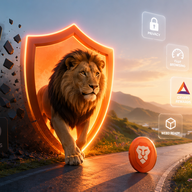
Basic Attention Token (BAT): How Brave Is Building an Economy Around Your Attention
Yesterday, we looked at the Brave Browser and how it combines privacy protection, ad blocking, crypto rewards, and Web3 functionality in a single browser. One of the most distinctive parts of that ecosystem deserves a closer look: Basic Attention Token (BAT).
BlockMap
Aug. 19, 2026
Brave Browser: Privacy, Speed, and Crypto Built Into the Web
The web browser is one of the most important pieces of software we use. It sits between us and almost everything we do online, from reading news and watching videos to accessing exchanges, managing wallets, and interacting with Web3 applications. That makes privacy and security at the browser level especially important for cryptocurrency users.
BlockMap
Aug. 18, 2026
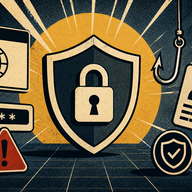
Browser Security Tips for Crypto Users: Protecting Your Assets While You Browse
Using cryptocurrency safely involves more than protecting a wallet or keeping a seed phrase offline. Your web browser is often the bridge between you and the crypto ecosystem, connecting you to exchanges, decentralized applications, NFT platforms, block explorers, community websites, and wallet interfaces.

BlockMap
Aug. 17, 2026
Emotional Mistakes Every Crypto Investor Makes
Crypto markets move fast, but prices are only part of the challenge. For many investors, the hardest thing to manage is their own emotional response to uncertainty, volatility, profits, and losses. Fear can push people to sell at the worst possible moment, while excitement can encourage them to take risks they would normally avoid.