

BlockMap
Sept. 27, 2026
How Blockchain Networks Upgrade
Blockchain networks are often described as permanent and unchangeable, but that does not mean the software running them stays the same forever. Like any complex technology, blockchains need to evolve. Developers discover bugs, new security techniques emerge, users demand better performance, and communities propose new features.

BlockMap
Sept. 22, 2026
DAOs and AI: Could Artificial Intelligence Participate in Governance?
Decentralized autonomous organizations, or DAOs, were created to coordinate communities without relying on a traditional centralized management structure. Members can submit proposals, discuss ideas, vote, manage shared treasuries, and collectively decide how a project should develop. Artificial intelligence introduces another possibility: what if AI systems could participate in that governance process?

BlockMap
Sept. 17, 2026
Dynamic NFTs Explained: How NFTs Can Change Over Time
Most NFTs are known for representing something fixed: an image, collectible, membership token, or other digital asset whose defining characteristics remain largely unchanged after it is created. Dynamic NFTs take a different approach. They can evolve as circumstances change, allowing their appearance, metadata, attributes, or functionality to respond to new information.
BlockMap
Sept. 12, 2026
How Traditional Businesses Are Using Blockchain
Blockchain technology is often associated with cryptocurrencies, decentralized finance, and digital assets. But behind the headlines, traditional businesses are also exploring how blockchain can improve the way they manage data, coordinate with partners, verify products, process transactions, and interact with customers.

BlockMap
Sept. 11, 2026
NFT Royalties Explained: How Creators Earn From Secondary Sales
NFTs introduced a new way for digital creators to sell their work directly to collectors. But one of their most talked-about features goes beyond the initial sale: NFT royalties.
BlockMap
Sept. 10, 2026
Decentralized Social Networks: Rethinking Who Controls Online Communities
Social networks have become some of the most important places for communication, entertainment, news, and community building. Billions of people use them to share ideas, follow creators, discover projects, and connect with others around the world.
BlockMap
Sept. 7, 2026
What Is Token Supply and Why Does It Matter?
When researching a cryptocurrency, price is often one of the first numbers people notice. But the price of a single coin or token tells only a small part of the story. To understand how a crypto asset is structured, it is also important to look at its token supply.

BlockMap
Sept. 4, 2026
Why Open Source Matters in Crypto
Cryptocurrency was built on the idea that people should not have to blindly trust a central authority. Instead, networks can use transparent rules, cryptography, and distributed consensus to let participants independently verify what is happening. Open-source software is a natural extension of that philosophy.
BlockMap
Aug. 30, 2026
Understanding Decentralized Storage: How Blockchain Networks Are Rethinking Data
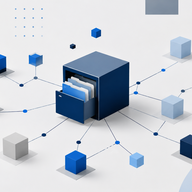
The internet depends on enormous amounts of stored data. Photos, websites, documents, application files, videos, and blockchain-related information all need somewhere to live. Traditionally, most of that data has been stored on servers controlled by companies, cloud providers, or other centralized organizations.
BlockMap
Aug. 28, 2026
How Decentralized Exchanges (DEXs) Changed Crypto Trading
Decentralized exchanges have transformed the way people trade cryptocurrencies. Instead of relying entirely on centralized companies to hold funds, manage order books, and process transactions, DEXs allow users to trade directly through blockchain-based protocols.